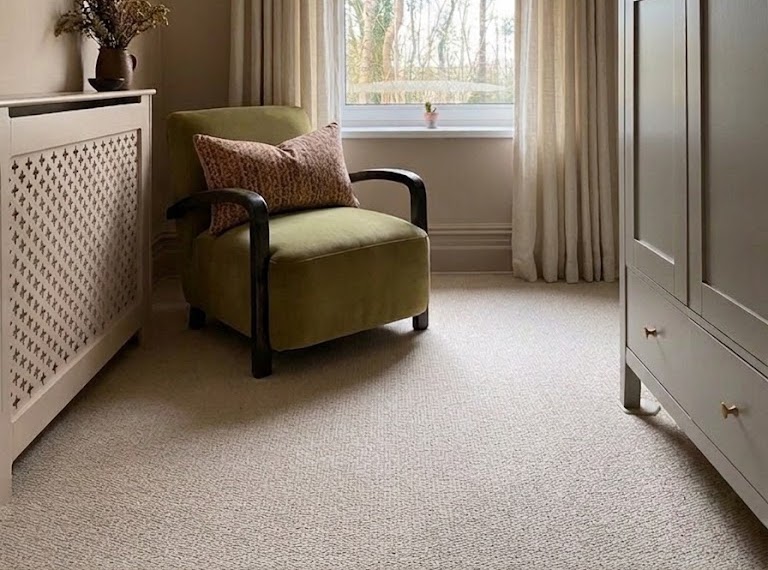
There’s a reason natural fibre flooring keeps coming back into fashion. Wool, sisal, seagrass and coir are all renewable, biodegradable and full of the small imperfections that synthetics tend to iron out – the slight shifts in colour, the texture underfoot, the way a floor mellows as you live on it.
The trouble is they can look much the same in a sample book, and they behave very differently once they’re down. Here’s how the four compare; how each one feels, where it earns its keep, and the catch to bear in mind before you commit.
Natural Fibre Flooring: At a Glance
| Fibre |
How it feels |
Best for |
Worth knowing |
| Wool |
Soft and warm |
Bedrooms, living rooms |
Can shed a little at first |
| Sisal |
Firm, gently textured |
Hallways, stairs, living rooms |
Sensitive to moisture |
| Seagrass |
Firm and smooth |
Dining rooms, conservatories |
Can’t be dyed, not for stairs |
| Coir |
Coarse and bristly |
Porches, entrances, boot rooms |
Too rough for living spaces |
1. Wool: Soft and Resilient
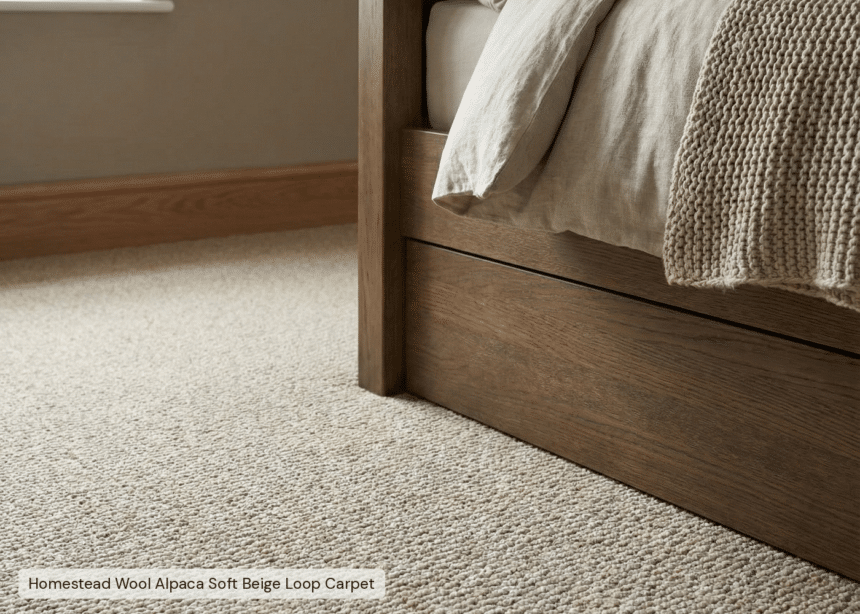
Wool is sheared from sheep, a naturally renewable resource that grows back year after year. It’s the softest of the natural fibres and the one most people picture when they think of a comfortable carpet.
How it feels: Warm, soft and cushioned underfoot.
Why we like it: Wool is a natural insulator, helping rooms feel comfortable through the seasons. Its fibres have a natural spring, so they recover well from everyday footfall rather than flattening. Natural oils give it a gentle resistance to everyday spills, and because wool holds colour so well, there’s a wide choice of shades to suit your home.
Where it belongs: Bedrooms, living rooms and anywhere you’d like to feel at ease.
Worth knowing: New wool carpets can shed loose fibres for the first few weeks. This is completely normal and settles with regular vacuuming.
Explore our wool carpet collections:
2. Sisal: Strong and Adaptable
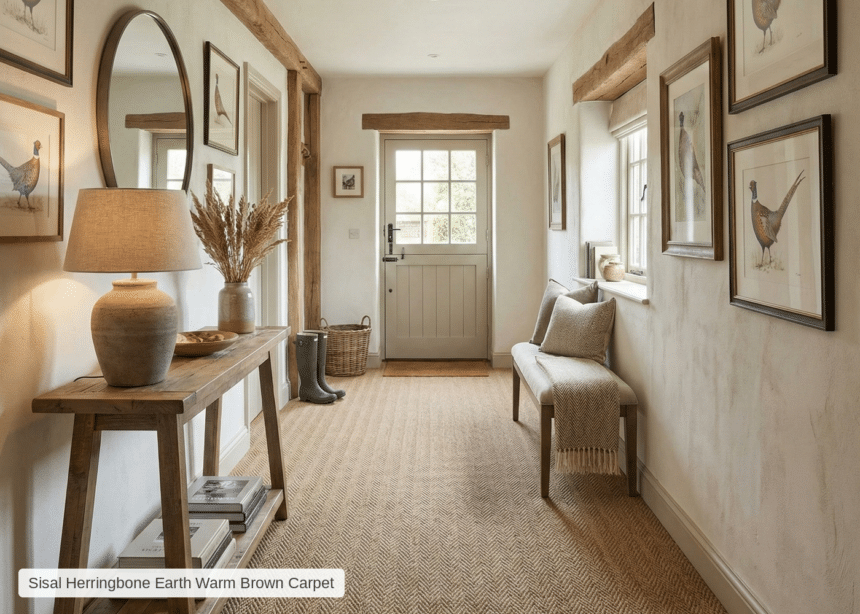
Sisal is woven from the long leaves of the Agave sisalana plant. It has a firm, grounded texture and the toughness to handle the busier parts of the house.
How it feels: Firm, with a gentle texture.
Why we like it: Sisal is one of the hardest-wearing plant fibres. It also takes dye well, so there’s a considered range of weaves and colours to choose from, from classic basketweave to herringbone.
Where it belongs: Hallways, stairs, living rooms and home offices.
Worth knowing: Sisal doesn’t get on well with moisture. Water can leave marks or cause shrinkage, so it’s best kept away from kitchens, bathrooms and doorways where wet shoes come in. Spills are best blotted straight away rather than rubbed.
Explore our sisal carpet ranges:
3. Seagrass: Smooth and Practical
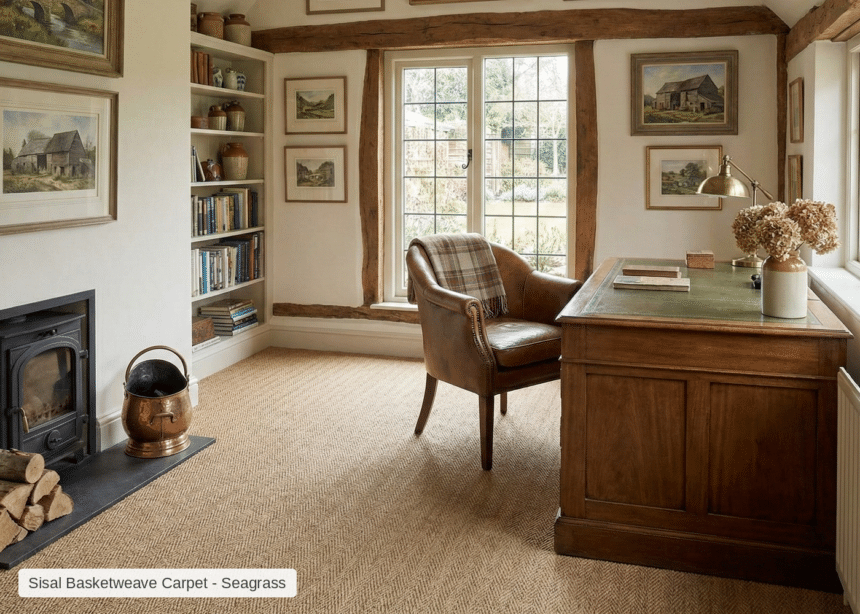
Seagrass is grown in flooded paddy fields, which gives it a smooth surface and a soft natural sheen.
How it feels: Firm and smooth.
Why we like it: Because seagrass grows in water, it has a naturally smooth, almost waxy surface. Dirt tends to sit on top rather than sink in, and spills rest on the surface for a moment, giving you time to wipe them away.
Where it belongs: Dining rooms, conservatories and lighter-use living spaces.
Worth knowing: Seagrass can’t be dyed. It arrives with a soft green tinge that mellows into a warm golden khaki over time. Many people love this, but it’s good to know what to expect. Its smooth surface can also feel a little slippery, so it’s best on flat floors rather than stairs.
Explore our seagrass flooring:
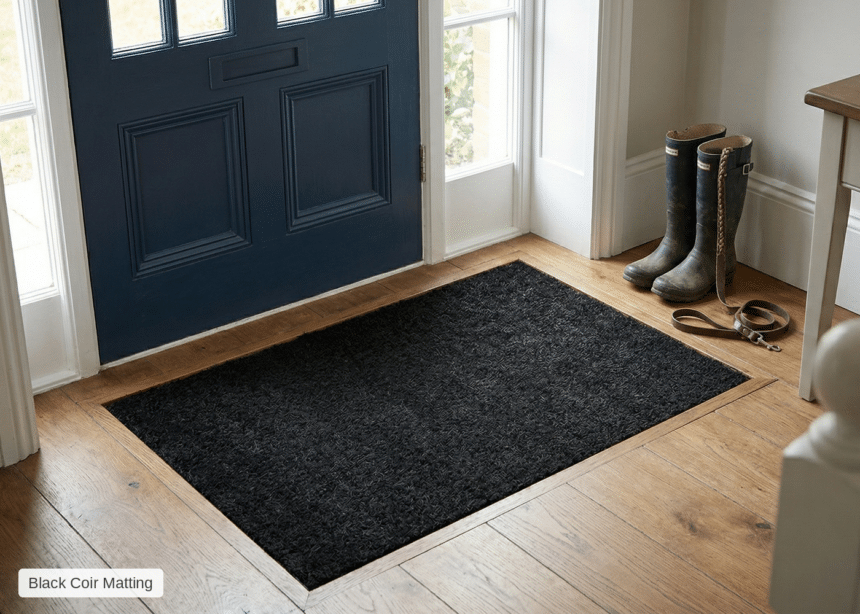
4. Coir: Rugged and Reliable
Coir is made from the fibrous husks of coconuts. Of all the natural plant fibres, it’s the most robust.
How it feels: Coarse and bristly.
Why we like it: Coir is exceptionally hard-wearing and naturally resistant to rot. It’s very good at catching mud and grit from shoes before they travel further into the house.
Where it belongs: Porches, entrances and boot rooms.
Worth knowing: Its texture makes it practical rather than comfortable. It isn’t the one for living rooms, bedrooms or anywhere little ones play on the floor.
Explore our coir in a range of shades:
Choosing well
The easiest way in is to start with the room. Wool for the spaces you want to feel comfortable in, sisal where there’s real footfall like hallways and stairs, seagrass for calmer rooms that don’t see heavy traffic, and coir at the door to catch the worst of the muck. And if you’re torn between two, order a sample and live with it for a few days before you decide.
Frequently Asked Questions
Which natural fibre is the softest?
Wool, by some distance. Sisal and seagrass are firm, and coir is the most textured of all.
Can I use natural fibre carpet on stairs?
Wool and sisal both work well on stairs. But it is worth noting that seagrass can be slippery, and coir is too coarse for comfort, so we’d suggest keeping those to flat floors.
Are natural fibres suitable for kitchens and bathrooms?
We’d recommend avoiding plant fibres in wet or humid rooms. Moisture can mark or shrink sisal and seagrass, so these spaces are usually better suited to a different type of flooring.
How do I care for a natural fibre carpet?
Regular vacuuming keeps dirt from settling into the weave. For spills, blot gently with a clean, dry cloth rather than rubbing or soaking. For deeper cleaning, a professional dry-cleaning method is usually best for plant fibres.
Are natural fibre carpets good for homes with pets?
Tightly woven styles are generally a practical choice. Loop weaves can occasionally catch claws, so a flatter weave such as basketweave or herringbone may suit homes with cats or dogs.
Will the colour of seagrass carpet change over time?
Seagrass mellows from green to golden khaki as it settles in. All natural fibres can soften slightly in strong sunlight, which is part of their character.
 Free Delivery*
 Order Samples