| Feature |
SPC Click Vinyl |
Glue Down LVT |
| How it fits |
Floats over the floor, clicking together simply without the need for glue. |
Bonds securely directly to the floor for a smooth, permanent fit. |
| The core |
Built around a rigid stone composite core for extra stability. |
A flexible vinyl construction that sits perfectly flat against the floor. |
| Preparation & Screeding |
Provided your subfloor is relatively flat, there is usually no need for screeding. |
Requires a perfectly smooth surface, meaning the floor will usually need to be screeded first. |
| Timings |
A quick installation. The built-in underlay means it is often ready to lay straight from the box. |
If screeding is needed, you will typically need to wait 24 to 48 hours for a standard levelling compound to dry before the floor can be laid. |
| Everyday life |
Fully waterproof and highly resistant to dents from dropped items or heavy furniture. |
Fully waterproof and highly stable, making it perfect for very busy rooms. |
| Future changes |
Can be easily lifted and relaid if needed, which is ideal for renters or quick updates. |
Designed to become a lasting, permanent part of the fabric of your home. |
What is SPC Flooring?
SPC flooring is a rigid core click vinyl built around a stone composite core. Each plank locks together with a simple tongue and groove system.
- It floats over the subfloor, giving you a smart, hardwearing finish without the hassle of glue, nails, or specialist tools.
- Because it floats rather than bonding to the ground, it is more forgiving of minor imperfections. As long as your existing subfloor is reasonably flat and even, there is generally no need for screeding.
- This makes for a quicker installation process. Many SPC options also have a built-in underlay, meaning they are ready to fit straight away.
- The stone composite core gives you the easy fit of click with extra dent resistance and stability.
- It is fully waterproof, meaning it is practical for wet areas like bathrooms and utility rooms.
- Because there is no need for adhesive, it can be lifted and relaid if needed.
- Most click vinyl floors benefit from a thin compatible underlay to improve acoustics and warmth.
If a simple, floating installation sounds right for your home, explore our thoughtfully curated click vinyl flooring range, or browse the full SPC flooring collection.
What is Glue Down LVT Flooring?
Glue down LVT bonds permanently to the subfloor.
- Because it bonds permanently to the subfloor, it sits flatter and feels incredibly grounded.
- This secure fit makes it highly stable, which suits very busy rooms perfectly.
- Many glue down options are fully waterproof and compatible with underfloor heating.
- Because it is glued directly to the floor, it requires a perfectly smooth, level subfloor. To achieve this, your floor will typically need to be screeded before fitting.
- If your floor requires a standard levelling compound, you will usually need to wait around 24 to 48 hours for it to dry before the LVT can be laid. If a traditional sand and cement screed is needed, this will naturally take a bit more time. There is no need to guess; your fitter will simply check the surface and let you know when the space is ready.
For rooms where you want a settled, permanent finish that becomes part of the fabric of your home, take a look at our glue down LVT options.
Underfloor Heating Compatibility
If you are planning to add underfloor heating to your home, you will be glad to know that both our SPC click vinyl and glue down LVT floors work beautifully alongside it. They both allow the warmth to pass through naturally, keeping your space wonderfully cosy during the colder months. We’ve done the careful thinking, so you don’t have to worry about the technical details. You can simply choose the floor you love, confident that it will sit comfortably over your heating system and make your home feel warm and inviting. Browse our underfloor heating compatible LVT range to see the options.
Which floor is right for your home?
Choosing between the two simply comes down to how you plan to live in the space and how you want the fitting process to unfold.
When to choose SPC Click Vinyl
If you are looking for a quicker installation that is a little more forgiving of your existing subfloor, SPC is a brilliant choice. It is ideal for relatively fast updates without the need for screeding. It is also a smart option if you think you might want to lift or change the floor in the future, giving you flexibility without sacrificing quality. 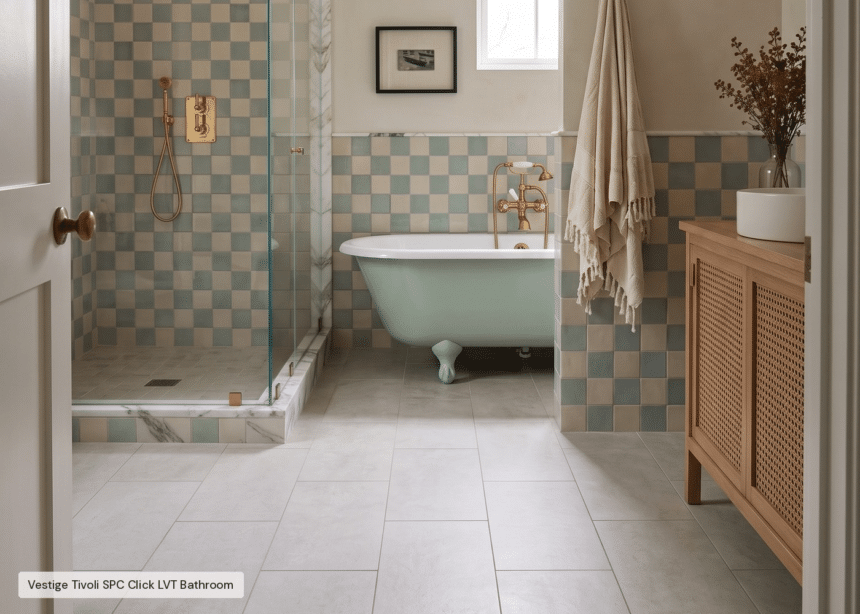
When to choose Glue Down LVT
If you are settling into your forever home or renovating a very busy space, glue down LVT offers a beautifully grounded feel. Made to be lived with, day in and day out, it handles heavy footfall and lively family life with ease. It is the perfect choice when you want a highly stable, permanent finish that becomes a lasting part of your home. 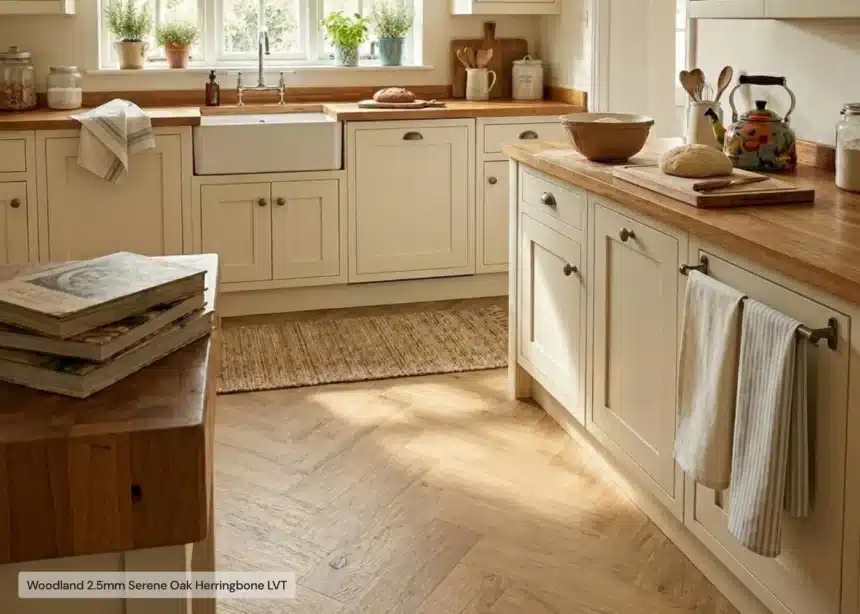
Order a Sample
Take your time. These are choices worth living with. Order a sample, or four! We’re confident you’ll love it, but it’s good to be sure.
Frequently Asked Questions
Is SPC or glue down LVT flooring better?
Neither is universally better; the right choice depends on how you live in the space. SPC flooring is a floating, click-together floor that installs quickly and can be lifted and relaid later, making it ideal for faster updates and renters. Glue down LVT bonds permanently to the subfloor for an ultra-stable, grounded finish that suits busy rooms and forever homes.
Do you need to screed the floor for SPC flooring?
Usually not. Because SPC rigid core click vinyl floats over the subfloor rather than bonding to it, it is more forgiving of minor imperfections. As long as your existing subfloor is reasonably flat and even, there is generally no need for screeding.
Does glue down LVT need a screed?
Typically yes. Glue down LVT bonds directly to the floor, so it needs a perfectly smooth, level surface. Your subfloor will usually need to be screeded first, and if a standard levelling compound is used you will normally wait around 24 to 48 hours for it to dry before the floor can be laid.
Is SPC and glue down LVT flooring waterproof?
Yes. Both our waterproof LVT and SPC floors are fully waterproof, making them practical for bathrooms, utility rooms and other areas prone to moisture.
Can you use SPC and glue down LVT with underfloor heating?
Yes. Both our SPC click vinyl and underfloor heating compatible LVT floors work beautifully alongside underfloor heating, allowing warmth to pass through naturally to keep your space cosy.
Which flooring is best for a bathroom?
Both work well as they are fully waterproof. SPC click vinyl is a quick, forgiving option that can be lifted later, while glue down LVT gives a permanent, ultra-flat finish. You can browse our click vinyl flooring range for the floating option.
Can SPC flooring be lifted and reused?
Yes. Because SPC uses a click system with no adhesive, it can be carefully lifted and relaid if needed, which is ideal for renters or anyone who may want to change the floor in future.
How do I choose between SPC and glue down LVT?
Choose SPC for a quicker, more forgiving installation and future flexibility. Choose glue down LVT for a permanent, highly stable finish in busy or forever spaces. If you are still unsure, you can order up to four free flooring samples to compare them at home.
 Free Delivery*
 Order Samples